
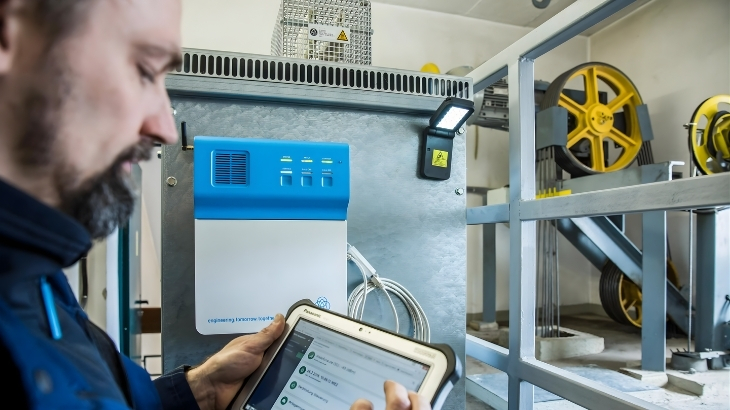
How to Modernize Your Building with New Elevator Safety Devices?
Modernizing a building starts with a comprehensive audit of the lift system. Old elevators often rely on outdated relay-based logic which reacts slowly compared to modern microprocessors. Elevator safety devices integrated during a modernization project significantly lower the risk of accidents. Upgrading the control panel allows for smoother acceleration and deceleration. This change reduces the stress placed on the speed governor and the safety gear.
Building managers should look at the traction machine first. Modern gearless motors work seamlessly with advanced braking systems. These brakes act as redundant elevator safety devices by clamping the drive sheave if the system detects unintended car movement. This prevents the car from drifting away from the floor level while passengers enter or exit.
Another aspect of modernization involves the pit buffers. Older buildings often use simple springs that lack the energy-absorbing capabilities of modern oil buffers. Replacing these ensures a softer stop in the rare event of a downward overspeed. Upgrading these elevator safety devices aligns the building with EN 81-20/50 standards, which are the current benchmarks for global safety.
Overload Sensors and Alarms Vital Elevator Safety Devices
Elevator safety devices such as overload sensors prevent the motor from straining under excessive weight. These sensors sit under the cabin floor or attach to the rope hitches. When the weight exceeds the rated capacity, the sensor sends a signal to the controller. The controller then prevents the doors from closing and triggers an audible alarm. This hardware protects the suspension ropes from snapping or stretching beyond repair.
Reliable overload detection systems utilize strain gauges or load cells. These elevator safety devices measure the deflection of the car frame with high precision. Without these tools, a lift might attempt to lift a load it cannot handle. This leads to motor overheating and brake failure. High-quality sensors from reputable manufacturers ensure the car remains stationary until the excess weight leaves the cabin.
In modern residential complexes, these elevator safety devices help manage traffic. The system communicates with the dispatching logic to skip hall calls if the car is nearly full. This optimizes the wait times for other residents. Proper calibration of these sensors remains a priority for maintenance teams to avoid false alarms or dangerous failures.
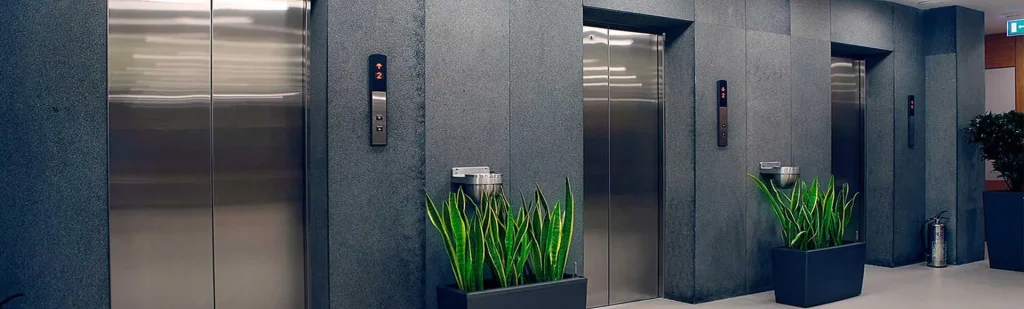
The Importance of Door Interlocks as Elevator Safety Devices
Door interlocks function as the primary mechanical and electrical elevator safety devices for every floor. These mechanisms ensure that the lift car cannot move unless every landing door is fully closed and locked. Similarly, the car door must be secure before the motor starts. A failure in a door interlock represents one of the most dangerous risks in vertical transport.
Modern elevator safety devices in this category use redundant electrical contacts. If one contact welds shut, the second contact provides the necessary break to stop the circuit. This prevents the “jumping” of safety circuits, which has caused accidents in the past. Strong mechanical hooks within the interlock prevent people on the landing from prying the doors open manually when the car is not at that floor.
Upgrading to infrared light curtains enhances these door systems. These elevator safety devices create a dense grid of invisible beams across the entrance. If an object breaks any beam, the doors immediately stop and reopen. This non-contact detection replaces old-fashioned mechanical safety edges. It provides a much higher level of protection for children, pets, and elderly passengers who may move slowly.
Digital Monitoring and Remote Control Elevator Safety Devices
The integration of digital technology has transformed how elevator safety devices operate. Modern controllers now feature remote monitoring modules. These units track every trip, door cycle, and safety circuit status. Technicians receive instant alerts on their mobile devices if a safety limit is breached. This proactive approach identifies a weakening component before it causes a total system shutdown.
These digital elevator safety devices record data for predictive maintenance. By tracking the number of times the safety gear engages or how often the motor overheats, the system predicts when a part might fail. This reduces downtime and keeps the building running smoothly. Remote resets allow technicians to clear minor faults without visiting the site, provided the safety sensors confirm the shaft is clear.
Cloud-based platforms provide building owners with transparency. You can see the health of your elevator safety devices through a web dashboard. This data proves the reliability of the system to insurance companies and safety inspectors. High-resolution encoders provide the digital brain of the lift with the exact position of the car. This ensures the car stops perfectly level with the floor, preventing tripping hazards for passengers.

Why Periodic Testing of Elevator Safety Devices is Mandatory
Strict regulations require the periodic testing of all elevator safety devices. This includes the annual “safety test” where technicians simulate an overspeed condition. They trigger the speed governor to ensure the mechanical safety gear clamps onto the guide rails. This test confirms the lift can stop safely even if the hoisting ropes fail.
Maintenance logs must document the condition of the buffers, limit switches, and emergency lighting. Inspectors look for the CE certification or ISO 9001 marks on replaced parts. Using non-certified elevator safety devices can void the building’s insurance policy. Regular inspections catch small issues like worn brake pads or frayed electrical wiring in the safety string.
Testing also includes the Automatic Rescue Device (ARD). This battery-powered unit acts as one of the most critical elevator safety devices during a power outage. It moves the car to the nearest floor and opens the doors. Without regular testing, the batteries might fail when they are needed most. Maintaining these systems ensures the building remains compliant with local fire and safety codes.
2026 Inventory of Certified Elevator Safety Devices
As of 2026, the inventory of mandatory elevator safety devices has expanded to include more electronic failsafes. Every modern lift should have a complete set of these components to ensure maximum uptime and security.
- Bidirectional speed governors: These monitor the car speed in both upward and downward directions.
- Progressive safety gears: These provide a gradual stopping force to prevent passenger injury during an emergency stop.
- Electronic pit limit switches: These replace old mechanical arms with high-precision sensors that detect the car’s position.
- Rope grippers: These elevator safety devices clamp the ropes directly if the machine brake fails or the car moves unexpectedly.
- Emergency communication systems: Modern units include video links and two-way voice communication for trapped passengers.
- Firefighter service switches: These allow emergency crews to take control of the lift during a building fire.
- Tension weight switches: These detect if the governor rope becomes loose, which could prevent the safety gear from firing.
- Phase reversal protectors: These elevator safety devices prevent the motor from running in the wrong direction if the power supply phases are swapped.
Investing in high-quality elevator safety devices from a trusted manufacturer like Merih Asansör guarantees long-term reliability. Our commitment to 100% domestic production in Turkey ensures that every part meets rigorous quality control standards. By choosing certified components, you protect your investment and the lives of everyone who uses your building.Upgrading your lift system is a technical necessity that improves the tenant experience. New elevator safety devices make the ride quieter and smoother. They eliminate the jerks and vibrations associated with old mechanical systems. When a building features modern, visible safety technology like light curtains and clear digital displays, it instills confidence in the users. This trust translates to higher occupancy rates and better property reviews.