
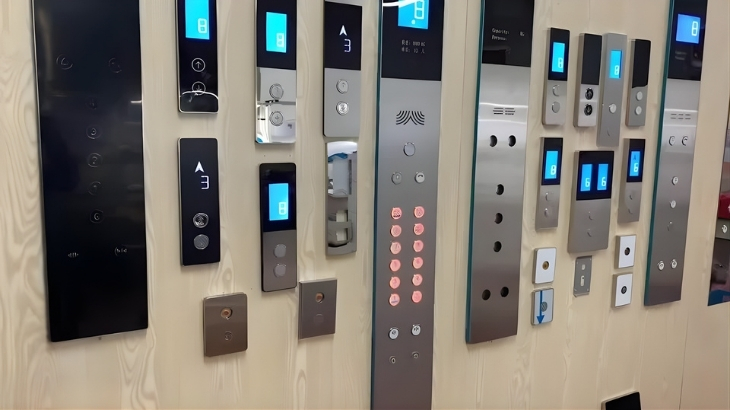
Essential Lift Components for Gearless and Hydraulic Systems
Lift components define the safety and efficiency of modern buildings. Every high-rise structure relies on these complex mechanical and electrical parts. Engineers choose elevator parts based on durability and performance. A system functions well only when its individual elements work together. High-quality manufacturing ensures a smooth ride for every passenger. Global safety standards like EN 81-20 guide the production of these units. These regulations protect users and technicians during daily operations.
Initially, early designs used simple pulleys and steam power. Modern technology has replaced these with advanced traction and hydraulic systems. Gearless machines now lead the market in high-speed applications. These motors use permanent magnets to move the car without a gearbox. Consequently, the system saves space and reduces noise. In contrast, hydraulic systems serve low-rise buildings and heavy freight needs. These lifts move via a piston and pressurized fluid. Therefore, each building type requires a specific set of lift components.
How High-Quality Lift Components Improve Energy Efficiency
Energy consumption is a major concern for building managers. High-performance lift components help lower electricity bills significantly. For example, gearless motors operate with much higher efficiency than older geared models. These units eliminate mechanical losses from friction and heat. As a result, the building uses less power during peak hours.
Moreover, regenerative drives contribute to green building goals. These drives capture energy during specific travel phases. A heavy car traveling down generates electricity. Similarly, an empty car traveling up creates surplus power. The drive feeds this energy back into the building’s electrical grid. This process can reduce total power usage by 40 percent. Specifically, this technology supports LEED and BREEAM certifications.
The construction of the lift cabin also impacts energy needs. Manufacturers now use lightweight yet strong materials like composite panels. Reducing the dead weight of the car allows for a smaller motor. Therefore, the lift uses less torque during every start and stop. Transitioning to LED lighting inside the car further cuts energy draw. These lights last for years and produce very little heat. Consequently, the cooling system in the shaft works less. Every small part plays a role in total sustainability.
The Evolution of Digital Lift Components in the Smart Building Era
Digitalization has changed how we think about vertical transport. Modern digital lift components use sensors to track every movement. These sensors monitor vibration, speed, and door cycles in real-time. The data travels to a central cloud platform for analysis. Thus, technicians can identify issues before a breakdown occurs. This method is known as predictive maintenance. It keeps elevators running longer with fewer emergency calls.
Smart buildings require lifts that connect to other networks. For instance, elevator control panels now integrate with security systems. When you scan your badge at the door, the lift arrives. The system already knows your destination floor. This logic reduces waiting times and avoids crowded lobbies. Furthermore, passengers can use mobile apps to call the lift. This touchless technology improves hygiene and user comfort.
Sourcing Reliable Lift Components for Passenger Security
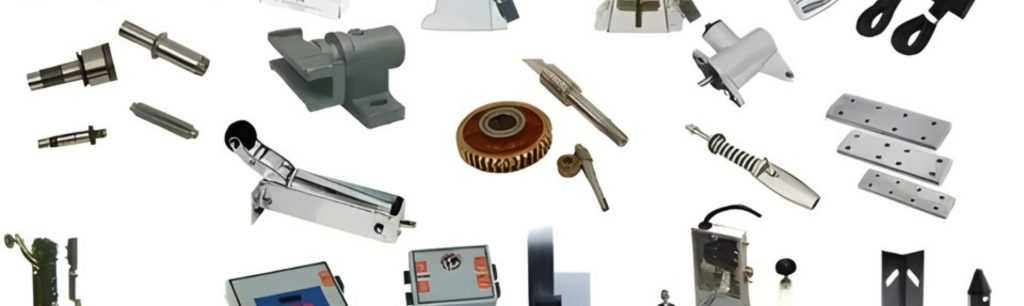
Passenger safety is the absolute priority in our industry. Reliable lift components such as the speed governor provide peace of mind. This device acts as a mechanical brain for safety. If the car travels too fast, the governor trips a switch. This action triggers the safety gear located on the car frame. These heavy-duty clamps grip the guide rails tightly. Consequently, the car stops safely without any electrical power.
Crucially, these mechanical backups work during a total power failure. Similarly, high-quality buffers protect the car at the bottom of the shaft. These shock absorbers dissipate kinetic energy during an over-travel event. For hydraulic systems, rupture valves offer similar protection. If a pipe breaks, the valve blocks the oil flow immediately. Thus, the car remains stationary and secure.
Door safety also depends on advanced technology. Modern elevator doors use multi-beam infrared sensors. These sensors detect even small objects in the path of the door. If a passenger steps in, the doors reverse instantly. Sourcing these parts from a trusted manufacturer ensures CE Certification. This mark proves that the parts meet strict safety tests. Professional suppliers always prioritize these global benchmarks during production.
Maintenance Tips for Prolonging the Life of Critical Lift Components
Regular service keeps critical lift components in top condition. Lubrication is the most important task for any technician. Guide rails and traction ropes need specific oils to prevent rust. However, too much oil can attract dust and grime. This buildup causes friction and wears down the sheaves. Therefore, technicians must follow the manufacturer’s exact guidelines for oiling.
Checking the tension of the suspension ropes is also vital. In traction lifts, all ropes must share the load equally. If one rope is loose, the others work harder. This imbalance damages the drive sheave over time. Replacing a sheave is a very expensive repair. Simple adjustments to the rope hitches can prevent this cost. Similarly, hydraulic lifts need regular oil quality checks. Contaminated fluid can damage the pump and valves. Consequently, the lift may start to vibrate or lose its leveling accuracy.
Electrical cabinets require a clean and cool environment. Dust on circuit boards often leads to short circuits. Technicians should also clean the door tracks on every floor. Small stones or coins often block these tracks. These obstructions force the door motor to draw more current. Over time, this extra stress burns out the motor. By keeping the tracks clean, you avoid the number one cause of lift downtime. Consistent care ensures the equipment lasts for decades.
Global Catalog Of Modern Lift Components 2026
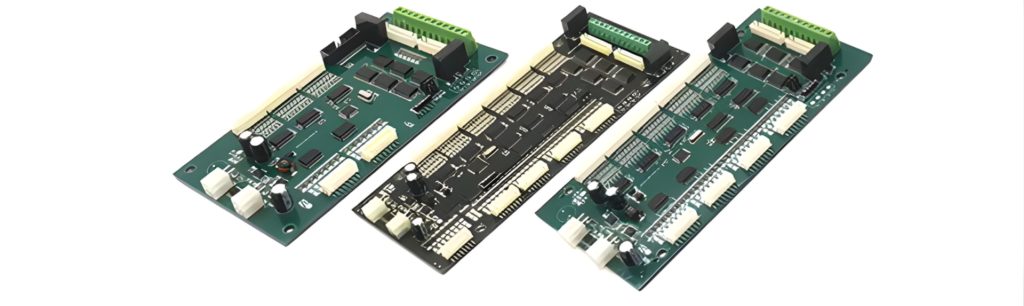
The 2026 catalog for lift components focuses on modularity. Manufacturers now offer “plug-and-play” control systems for faster installs. These modules reduce the time a building stays without service during upgrades. We also see a rise in carbon-fiber suspension ropes. These materials are much lighter than traditional steel. Therefore, they allow for taller buildings with less energy waste.
Environmental responsibility is now a standard requirement. Suppliers use recycled metals and low-VOC paints for lift cabins. This shift helps developers meet strict carbon footprint goals. Global exporters also focus on efficient shipping methods. Sourcing parts from Turkey has become a strategic choice for many. The region offers a bridge between high-quality engineering and logical shipping costs.
Guiding the elevator industry since 1977, Merih Asansör is one of Turkey’s leading manufacturers of automatic doors, cabins, and complete elevator systems, distinguished by over 40 years of profound experience, a robust R&D infrastructure, and a 100% domestic production approach. Operating within a 30,000-square-meter state-of-the-art facility with an annual production capacity of 100,000 doors and 5,000 cabins, the company exports its quality, reliability, and innovation-driven solutions to more than 65 countries, successfully representing Turkey’s engineering power in the global market.