
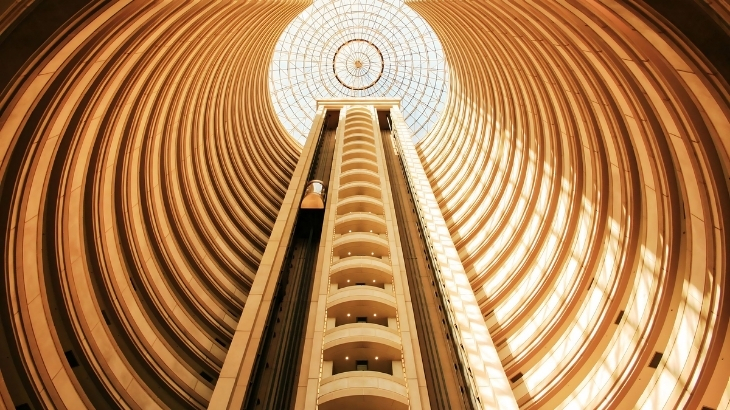
Designing High-Speed Passenger Elevator Systems for Skyscrapers
Passenger elevator systems serve as the heart of modern urban architecture. Tall buildings stand as symbols of engineering power. These structures require vertical transport that moves fast. Speed alone does not satisfy the needs of a skyscraper. Engineers must balance velocity with stability. High-speed lifts often reach speeds of 10 meters per second or more. Such rapid movement creates air pressure changes. Designers use aerodynamic cabin shapes to solve this. Air shrouds on the top and bottom of the car reduce wind noise. This makes the ride quiet for everyone inside.
Building a passenger elevator for a high-rise involves complex physics. Steel cables must support immense weight over hundreds of meters. Modern projects often use carbon fiber belts instead of traditional wire ropes. Carbon fiber weighs less and lasts longer. This reduction in weight allows the car to travel higher without losing efficiency. Guiding the elevator industry since 1977, Merih Asansör is one of Turkey’s leading manufacturers of automatic doors, cabins, and complete elevator systems, distinguished by over 40 years of profound experience, a robust R&D infrastructure, and a 100% domestic production approach. Operating within a 30,000-square-meter state-of-the-art facility with an annual production capacity of 100,000 doors and 5,000 cabins, the company exports its quality, reliability, and innovation-driven solutions to more than 65 countries, successfully representing Turkey’s engineering power in the global market.
Enhancing Interior Luxury in Residential Passenger Elevator Models
High-end residential buildings treat the passenger elevator as a piece of fine furniture. The cabin acts as the first room a guest visits. Luxury starts with the selection of materials. Stainless steel remains a popular choice, but designers now favor textured finishes. Bronze, gold, or black satin steel adds a touch of class. Some projects use stone floors or marble walls inside the lift. These materials must be thin to keep the weight low. Honeycomb backing helps achieve this goal.
Lighting plays a massive role in luxury. Indirect LED strips create a soft atmosphere. Touchscreens replace traditional buttons in many modern cabins. These screens display news, weather, or building announcements. Mirrors help the small space feel larger. Architects often choose glass walls for panoramic views. A glass passenger elevator turns a simple trip into a visual event. It connects the resident with the surrounding city or landscape.
Customization allows builders to match the lift with the lobby. Wood veneers or leather panels bring warmth to the interior. Every detail matters, from the handrail shape to the ceiling pattern. High-quality ventilation systems keep the air fresh. Silent fans ensure that no mechanical noise disturbs the mood. These small touches define luxury in residential settings. They transform a utility into a premium feature of the home.

Safety Protocols for High-Traffic Public Passenger Elevator Units
Public spaces like malls and transit hubs put heavy stress on every passenger elevator. Thousands of people use these machines every day. Safety remains the highest priority in these environments. Global standards like EN 81-20 and EN 81-50 dictate the rules for construction. These codes guarantee that the lift can handle the load and protect the public. Every component undergoes rigorous testing before installation.
Electronic safety systems monitor the car speed at all times. If the car moves too fast, a governor triggers the safety gear. This mechanical device grips the guide rails to stop the car instantly. Light curtains at the doors prevent accidents. These sensors detect even small objects in the doorway. The doors stay open until the path remains clear. In high-traffic areas, heavy-duty door operators increase reliability. They open and close thousands of times without failure.
Fire safety protocols link the lift to the building management system. During an alarm, the passenger elevator returns to the main floor. The doors open, and the system shuts down. This prevents people from getting trapped during emergencies. Backup power units ensure the lift reaches a floor if the main electricity fails. Regular maintenance checks keep these safety features in peak condition. Technicians inspect the ropes, brakes, and sensors every month. This proactive approach prevents breakdowns in busy public locations.
Gearless Traction Technology in Modern Passenger Elevator Engineering
Gearless traction technology changed the way engineers think about lift efficiency. Traditional systems used gearboxes to turn the drive sheave. These boxes wasted energy and required oil. Modern gearless motors use permanent magnets. The motor connects directly to the sheave. This simple design reduces energy consumption by nearly 40 percent. It also removes the need for a large machine room.
Machine Room Less (MRL) designs rely on gearless motors. The compact motor fits inside the hoistway itself. This saves valuable floor space for the building owner. Architects love MRL systems because they don’t need a penthouse on the roof. The building silhouette stays clean. Gearless motors also run much cooler than older models. They produce less heat, which reduces the load on the building’s cooling system.
The lack of gears means less friction. Less friction leads to a quieter ride. Passengers barely hear the motor even when the car moves at high speeds. These motors require very little maintenance. No oil changes means a cleaner environment. Merih Asansör uses these advanced technologies to build reliable products. Their 30,000-square-meter facility produces components that meet global demands. This commitment to modern engineering helps the company export to over 65 countries.
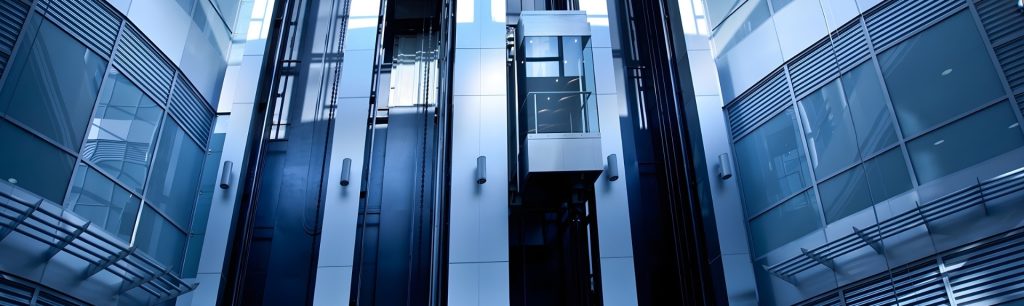
Why Silence and Comfort Define the Best Passenger Elevator Standards
A top-tier passenger elevator must operate in total silence. Noise often signals mechanical wear or poor design. High-quality guide rails reduce the sound of the car sliding up and down. Precision alignment during installation prevents clicks and rattles. Sound-dampening materials inside the cabin walls block out hoistway noise. This creates a peaceful environment for the user.
Ride comfort depends on the acceleration curve. A good system starts slowly and reaches full speed gradually. The passenger should not feel a “jerk” when the car moves. Modern inverters control the motor with high precision. They adjust the power delivery to match the load inside the car. This ensures the same smooth ride whether the car is empty or full. Levelling accuracy also contributes to comfort. The car must stop exactly flush with the floor. This prevents trips and falls during entry or exit.
Air quality inside the cabin impacts the user’s feelings. Advanced filtration systems remove dust and allergens. Some high-end lifts even use UV-C light to sanitize the air and surfaces. This focus on health and comfort sets the best systems apart. Manufacturers spend years in R&D to perfect these details. They know that a comfortable ride builds trust with the user
Custom Passenger Elevator Dimensions and Loading Capacities
Planning a building requires precise knowledge of passenger elevator specs. Dimensions vary based on the intended use. A small residential lift might carry 450 kg or 6 persons. Large office towers need cars that hold 1600 kg or 21 persons. Architects must choose the right size to avoid long wait times. Traffic analysis helps determine the number of lifts needed.
Standard door widths usually measure 800 mm or 900 mm. Hospitals require wider doors, often 1100 mm or more, for stretchers. The depth of the car depends on the hoistway size. Square cabins offer a balanced feel, while deep cabins fit better in narrow shafts. Clear height inside the car usually stays around 2100 mm to 2400 mm. Higher ceilings make the cabin feel more spacious.