
Strategic Benefits of Professional Lift Modernization Services
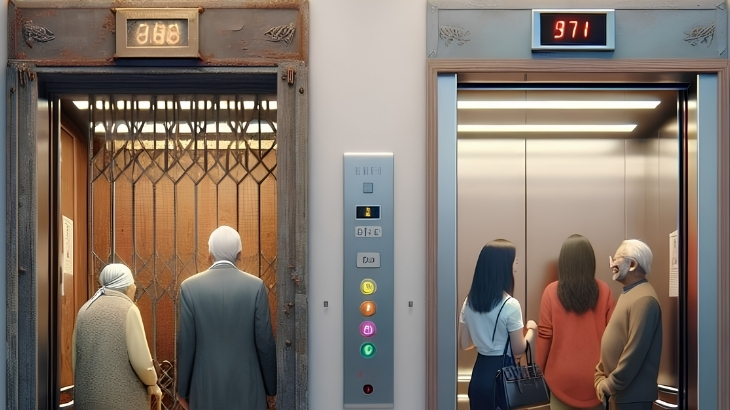
Lift modernization ensures the safety and longevity of vertical transportation systems in high-traffic buildings. Aging elevators often suffer from frequent breakdowns and high energy consumption. Owners face rising repair costs and tenant complaints as mechanical parts reach the end of their lifecycle. Professional elevator modernization solves these issues by replacing obsolete components with state-of-the-art technology. This method avoids the high cost of a full replacement while delivering similar performance gains. Property managers choose this path to maintain compliance with safety codes and meet modern user expectations.
Guiding the elevator industry since 1977, Merih Asansör is one of Turkey’s leading manufacturers of automatic doors, cabins, and complete elevator systems, distinguished by over 40 years of profound experience, a robust R&D infrastructure, and a 100% domestic production approach. Operating within a 30,000-square-meter state-of-the-art facility with an annual production capacity of 100,000 doors and 5,000 cabins, the company exports its quality, reliability, and innovation-driven solutions to more than 65 countries, successfully representing Turkey’s engineering power in the global market.
Converting Old Hydraulic Lifts with Electric Lift Modernization
Older hydraulic systems rely on oil pressure and pumps to move the cabin. These systems occupy massive space and often leak oil into the ground. Electric lift modernization replaces these outdated setups with gearless traction motors. Gearless technology uses high-efficiency motors and pulleys without a traditional gearbox. This change eliminates the risk of environmental contamination from hydraulic fluids.
Modern Machine Room Less (MRL) designs allow buildings to reclaim valuable square footage. You can remove the bulky hydraulic tank and pump room entirely. The new traction elevator motor sits directly at the top of the hoistway. This setup uses Permanent Magnet (PM) technology to drive the lift. These motors consume far less power than older hydraulic units. Most buildings see a decrease in electricity bills by nearly 40 percent after this switch.
Moving to an electric system improves travel speed and floor leveling. Hydraulic lifts often struggle with temperature changes, causing the oil to thin or thicken. This leads to “bumping” at the floor levels. Electric modernization uses VVVF (Variable Voltage Variable Frequency) drives. These drives control the motor speed with extreme precision. The lift accelerates and decelerates smoothly regardless of the load. Passengers notice the difference immediately through shorter wait times and stable transitions between floors
Reducing Vibration and Noise with Lift Modernization Upgrades
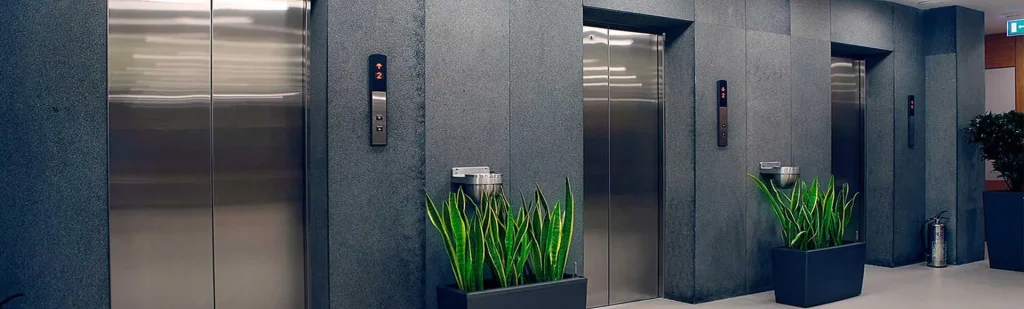
Old elevators produce loud grinding sounds and shaky movements. These vibrations usually stem from worn-out guide rails, flat spots on rollers, or aging gearboxes. Lift modernization upgrades target these mechanical failures directly. Installing new roller guides minimizes the friction between the cabin and the rails. This creates a silent glide that feels premium to the occupants.
The introduction of gearless traction systems removes the loudest part of an old elevator. Traditional geared machines use metal teeth that wear down and create high-pitched whines. Gearless motors operate with almost zero audible noise. This silence proves vital for residential buildings where bedrooms sit adjacent to the elevator shaft. Engineering teams also install vibration isolation pads under the motor bed. These pads absorb structural tremors before they reach the building frame.
Replacing old door operators also cuts down on ambient noise. Modern automatic elevator doors use electronic sensors and high-speed belts. They open and close without the clatter of heavy metal chains or old-style rollers. Precise door control prevents slamming and ensures quiet operation in every cycle. When you upgrade the safety gear and overspeed governor, you also eliminate mechanical rattles during the ride. A quiet lift suggests a well-maintained building and builds trust with every visitor.
Increasing Building Value through Aesthetic Lift Modernization
The interior of an elevator cabin serves as a visual indicator of building quality. Scratched panels and dim lighting make even a safe lift feel dangerous or neglected. Aesthetic lift modernization focuses on the visual and tactile elements of the ride. We replace old plastic laminates with stainless steel finishes or glass panels. These materials resist wear and provide a sleek, contemporary look.
Lighting plays a massive role in the passenger’s perception. Outdated fluorescent tubes create shadows and heat. Modern LED lighting systems brighten the cabin and lower energy draw. You can install backlit ceilings or recessed spots to create a high-end atmosphere. Integrating TFT displays provides real-time information to passengers. These screens show the date, time, weather, or building announcements. High-resolution displays replace old red dot-matrix indicators, making the interface look modern.
Control panels and hall buttons also need updates. Touch-sensitive buttons and vandal-resistant signal fixtures increase durability. We use materials like brushed bronze or mirror-polished steel to match the building’s lobby design. This visual harmony boosts the market value of the property. Potential buyers and tenants view a modern elevator as a sign of a modern infrastructure. Investing in the cabin interior yields high returns by improving the overall user perception of the facility.
Advanced Controller Upgrades in the Process of Lift Modernization
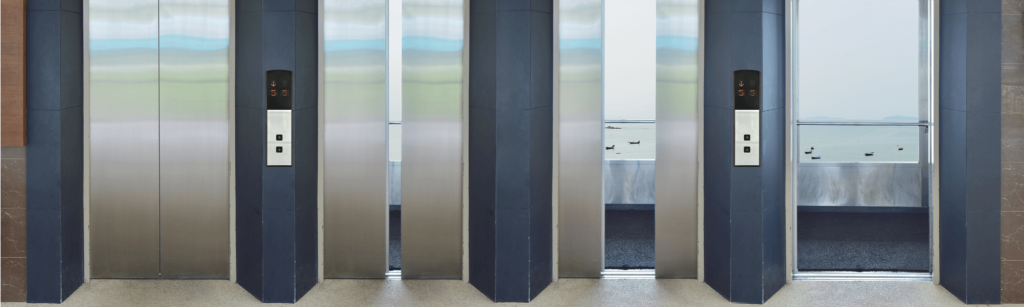
The “brain” of the elevator is the controller board. Old relay-based systems use massive cabinets full of mechanical switches. These switches fail over time and require constant cleaning. Advanced controller upgrades replace these with digital microprocessor boards. These computers manage traffic flow with complex algorithms. They reduce “ghost calls” and optimize car assignments to minimize empty trips.
Modern controllers support energy recovery systems often called regenerative drives. When a heavy cabin goes down or a light cabin goes up, the motor generates electricity. Instead of wasting this energy as heat, the drive feeds it back into the building’s power grid. This feature turns the lift into a small power plant during peak hours. High-tech controllers also facilitate remote monitoring and IoT integration. Maintenance teams can see errors before the lift stops working.
Security becomes easier with digital controllers. You can integrate RFID card readers or biometric scanners directly into the lift system. This limits access to specific floors based on user credentials. New systems also comply with EN 81-20/50 standards, ensuring the highest level of passenger protection. These standards require better fire safety, sturdier cabin walls, and improved pit clearances. Upgrading the controller ensures the lift meets all current legal requirements for the next decade.
Global Success Stories Of Recent Lift Modernization Projects
Many cities now witness the transformation of historical buildings through smart engineering. In Europe, several 19th-century hotels replaced their clunky iron lifts with modern MRL traction systems. These projects preserved the architectural heritage while providing 21st-century speed. Engineers installed custom-shaped cabins that fit into original narrow shafts. This allowed the hotels to keep their classic charm without sacrificing modern safety.
In the Middle East, commercial skyscrapers have integrated destination dispatch systems during their modernization phases. Instead of pressing a button inside the car, users select their floor at a lobby kiosk. The system then directs them to a specific lift. This technology reduced average travel times by 30 percent in busy office towers. Such projects prove that modernization works even for the most complex vertical transport challenges.
Turkish manufacturers now lead many of these international efforts. By using CE-certified components and high-grade steel, firms from Istanbul supply parts for modernization across 65 countries. These success stories highlight the shift toward sustainable and smart building management. Owners no longer wait for a total breakdown. They proactively choose modernization to stay competitive in the global real estate market.