
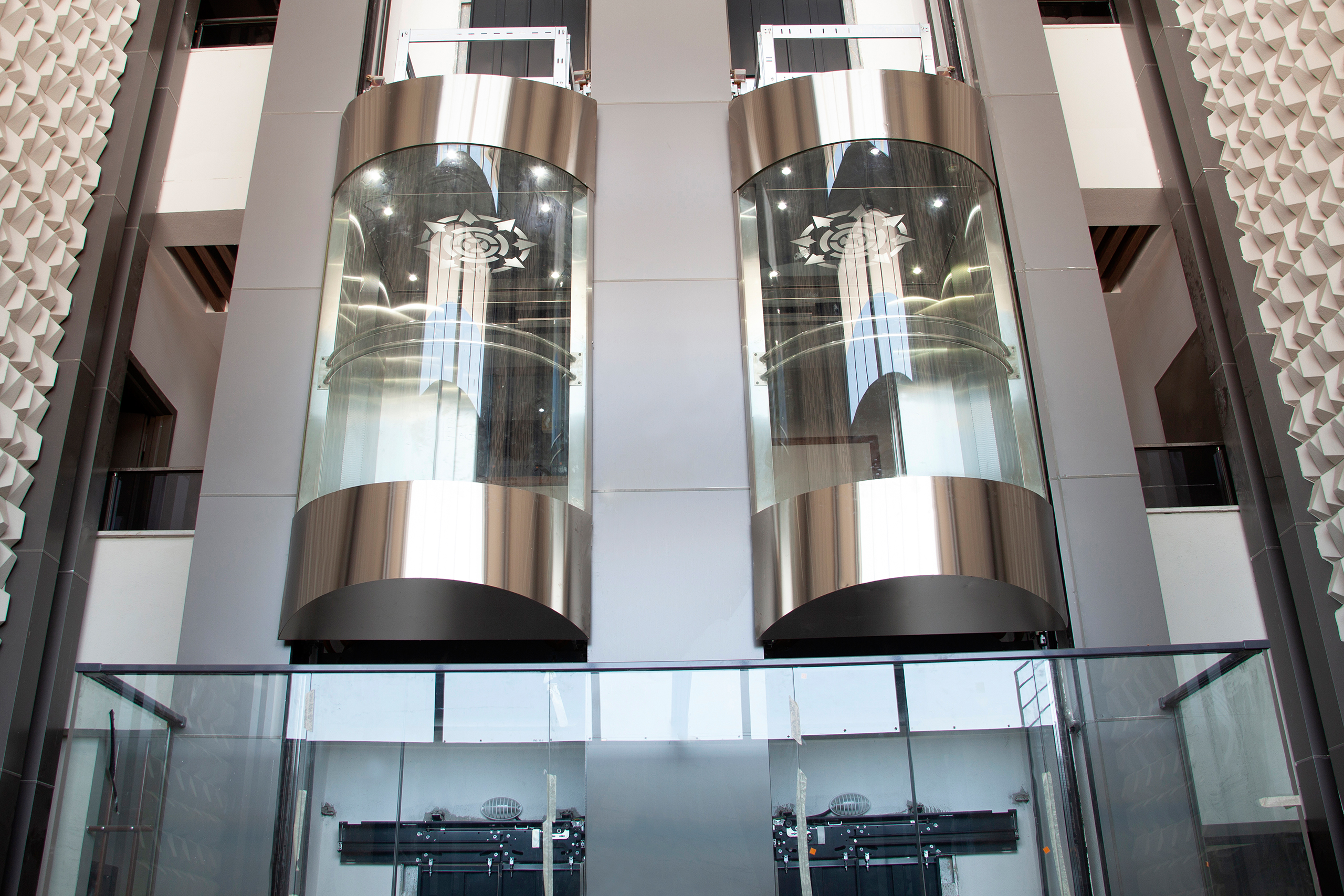
The Importance of Elevator Carcass System in Structural Integrity
Elevator carcass system mechanics serve as the foundational backbone for safe vertical transportation. Modern high-rise buildings demand robust lift structures to handle continuous daily operation. The carcass holds the passenger cabin securely. It supports the entire weight of the payload. It interacts directly with the steel guide rails. A precise engineering approach prevents mechanical wear over decades of operation. Structural integrity relies entirely on the premium quality of these metal frameworks. Weak frames compromise passenger safety. Strong frames distribute the load evenly across the entire vertical shaft.
Global elevator exporters based in Turkey manufacture these core components with extreme precision. Construction companies prioritize high-grade materials to meet international safety norms. Traction mechanics function seamlessly only when mounted on a perfectly aligned carcass. The mechanical alignment prevents harsh friction. Less friction guarantees a longer lifespan for the entire vertical transport mechanism. Building owners save massive amounts of money on maintenance. A well-constructed frame prevents emergency breakdowns. Vertical mobility remains uninterrupted. The structural steel absorbs operational stress daily. Quality manufacturing guarantees this constant stress never fractures the metal joints.
Engineering Durability Galvanized vs Painted Elevator Carcass Systems
Selecting the right surface treatment dictates the longevity of the elevator carcass system. Manufacturers decide between galvanized steel and painted surfaces based on environmental factors. Galvanized metal undergoes a rigorous chemical treatment. Zinc coats the raw steel to protect it from rust. This rust resistance is vital for shafts exposed to high humidity. Underground lift installations face severe moisture challenges. Water seeps into lower basement levels. Galvanized frames withstand these harsh environmental factors effortlessly. They demand minimal maintenance over their operational life.
Painted carcasses deliver an alternative protective layer. High-quality industrial paint shields the metal from initial oxidation. Paint applications work well in climate-controlled environments. Dry, indoor shafts accommodate painted frameworks without issue. Mechanical wear chips the paint away over time. Exposed steel then becomes vulnerable to rapid corrosion.
Galvanized options deliver a longer lifecycle. They resist deep scratches during the rough assembly phase. Engineers favor galvanized steel for heavy traffic lift components. Compliance with CE Certification mandates strict durability testing. Galvanized structures pass these tests with higher success rates. They guarantee uninterrupted operation across multiple decades. Both methods protect the steel initially. Galvanization delivers superior, long-lasting defense against destructive rust. Urban developers specifying Machine Room Less (MRL) units prefer galvanized frames. The tight spaces within MRL shafts make future maintenance highly difficult. A durable initial zinc coating prevents costly structural repairs. Rust degrades the tensile strength of the metal. Tensile strength prevents the cabin from falling. Protecting this strength guarantees long-term safety.
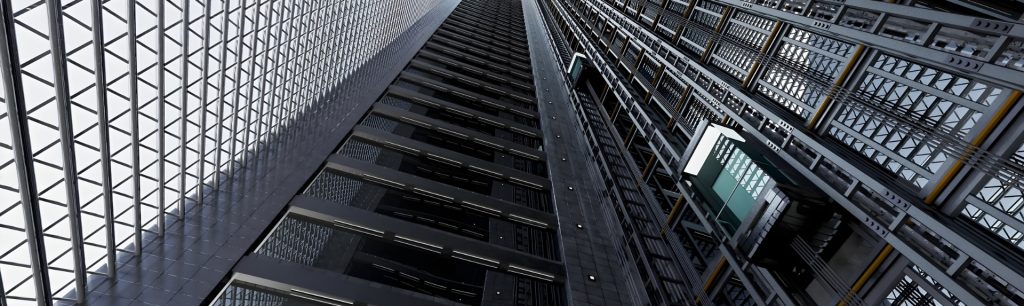
Reducing Vibration with High Standard Elevator Carcass System Design
Passenger comfort hinges entirely on a vibration-free ride. A high-standard elevator carcass system absorbs harsh mechanical shocks. Rigid, poorly designed frameworks transfer motor vibrations directly into the cabin. Advanced structural designs isolate these micro-movements. Engineers integrate rubber damping materials between the carcass and the cabin walls. This physical isolation results in a smooth, quiet ascent and descent.
Precision manufacturing guarantees perfect alignment with the vertical guide rails. Misalignment causes severe lateral vibrations. Lateral movement wears down the guide shoes rapidly. A perfectly plumb carcass eliminates this mechanical issue. Gearless lift motors operate silently. The carcass must match this silent operation. Structural rattling ruins the acoustic advantage of a premium gearless setup.
Weight distribution plays a central role in vibration control. Symmetrical frames balance the cabin load perfectly. An unbalanced load forces the motor to work much harder. It strains the thick traction ropes. A well-designed elevator carcass system keeps the center of gravity stable. This precise stability minimizes cabin swinging. High-speed vertical transport demands absolute structural rigidity. Microscopic flex in the frame amplifies at high speeds. Stiff, reinforced steel profiles resist this dangerous flexing. They guarantee a flawless ride profile from the ground floor to the top floor penthouse. Vibration loosens bolted joints over the years. Eliminating vibration keeps the entire assembly tightly secured. Our gearless systems provide up to 40% energy savings compared to traditional models when paired with a highly balanced carcass.
Seismic Resistant Elevator Carcass System Requirements
Earthquakes pose a massive threat to high-rise structures. A seismic-resistant elevator carcass system protects passengers during sudden tectonic events. International building codes dictate strict earthquake protocols. EN 81-20/50 Standards mandate exact structural reinforcements. The carcass must endure severe lateral forces without derailing from the guide tracks.
Reinforced guide shoes keep the massive frame locked onto the rails. Standard plastic shoes snap instantly under seismic stress. Earthquake-rated shoes feature reinforced cast-iron housings. The safety gear mechanism mounts directly onto the steel carcass. This mechanical brake must engage instantly upon suspension rope failure. A highly rigid carcass prevents the safety gear from misaligning during a violent tremor.
The speed governor detects uncontrolled cabin acceleration. It signals the safety gear to clamp onto the steel rails. A weak frame buckles under the immense stopping force. A certified seismic elevator carcass absorbs this massive kinetic energy. It halts the falling cabin safely. Engineers calculate the stress points through advanced software. They thicken the steel plates at high-stress intersections.
Retainer plates add another critical layer of security. These metal plates prevent the heavy counterweight from jumping out of its vertical track. A derailed counterweight crushes everything in the shaft. Securing the entire lift mechanics guarantees passenger survival. Builders in active earthquake zones mandate these stringent specifications for every new commercial installation. Safety regulations outlaw standard frames in these high-risk geographic areas.
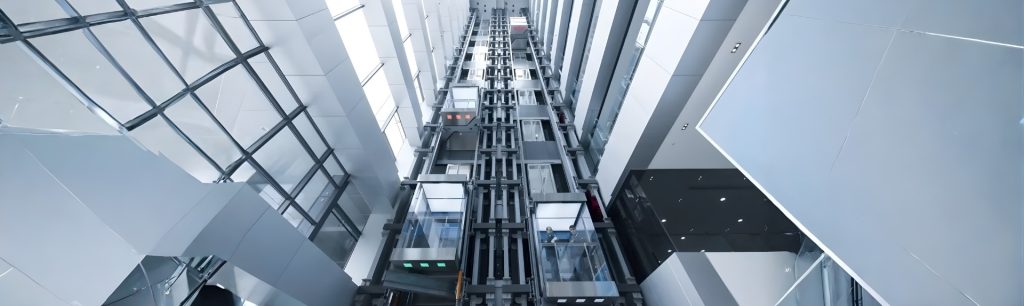
Easy Installation Features of Modular Elevator Carcass Systems
Time dictates project costs in modern construction. A modular elevator carcass system drastically cuts down installation hours. Traditional welded frames demand extensive on-site hot work. Hot work consumes precious time. It poses extreme fire risks inside the enclosed shaft. Modular systems rely entirely on high-strength bolted connections.
Technicians assemble the pre-manufactured steel parts quickly. Precision laser cutting guarantees every bolt hole aligns perfectly. This plug-and-play engineering approach eliminates messy on-site modifications. Workers piece together the massive frame like a giant industrial puzzle. Bolted joints deliver superior structural flexibility compared to rigid welds. They distribute mechanical stress more evenly across the entire structure.
Supplying lift components from Istanbul to the Middle East demands logistical smarts. Modular metal components pack completely flat. Flat packing maximizes shipping container space. It lowers international transport costs significantly. Global elevator exporters based in Turkey leverage this clever design. They ship high-volume orders globally with extreme ease.
Guiding the elevator industry since 1977, Merih Asansör is one of Turkey’s leading manufacturers of automatic doors, cabins, and complete elevator systems, distinguished by over 40 years of profound experience, a robust R&D infrastructure, and a 100% domestic production approach. Operating within a 30,000-square-meter state-of-the-art facility with an annual production capacity of 100,000 doors and 5,000 cabins, the company exports its quality, reliability, and innovation-driven solutions to more than 65 countries, successfully representing Turkey’s engineering power in the global market.
Technical specifications of Heavy-Duty elevator carcass systems
Industrial facilities demand extreme load-bearing capabilities. A heavy-duty elevator carcass system handles heavy freight weighing several tons. Standard passenger frames buckle instantly under such massive strain. Heavy-duty designs utilize high-yield structural steel alloys.
Engineers double the thickness of the main vertical profiles. They install reinforced cross-bracing to prevent structural twisting. Torsional rigidity prevents the cabin floor from tilting when heavy forklifts load large pallets. A tilted floor damages the sensitive automatic door mechanisms.
The traction mechanics for heavy freight lifts demand massive support beams. The carcass houses oversized steel pulley wheels. These heavy wheels guide the thick steel ropes. Bearings within these wheels must withstand constant high pressure. ISO 9001 certified manufacturing plants test these crucial components rigorously.