
How to Integrate Advanced Elevator Systems into Modern Buildings?
Elevator systems carry the weight of urban growth on their mechanical shoulders. These machines bridge the gap between street level and the clouds in every major city. Architects must consider vertical mobility from the very first sketch of a skyscraper. Because a building is only as good as its accessibility, the choice of a lift system dictates daily comfort. Engineers calculate peak traffic hours to prevent long queues in the lobby. While some people prefer stairs for low floors, the majority of tenants rely on high-speed lifts. Smooth acceleration and quiet operation define a high-quality installation. Safety standards like EN 81-20 set the bar for the entire industry. This compliance keeps riders safe under every possible condition. High-rise life would remain a dream without these sophisticated transit tools.
How to Integrate Advanced Elevator Systems into Modern Buildings
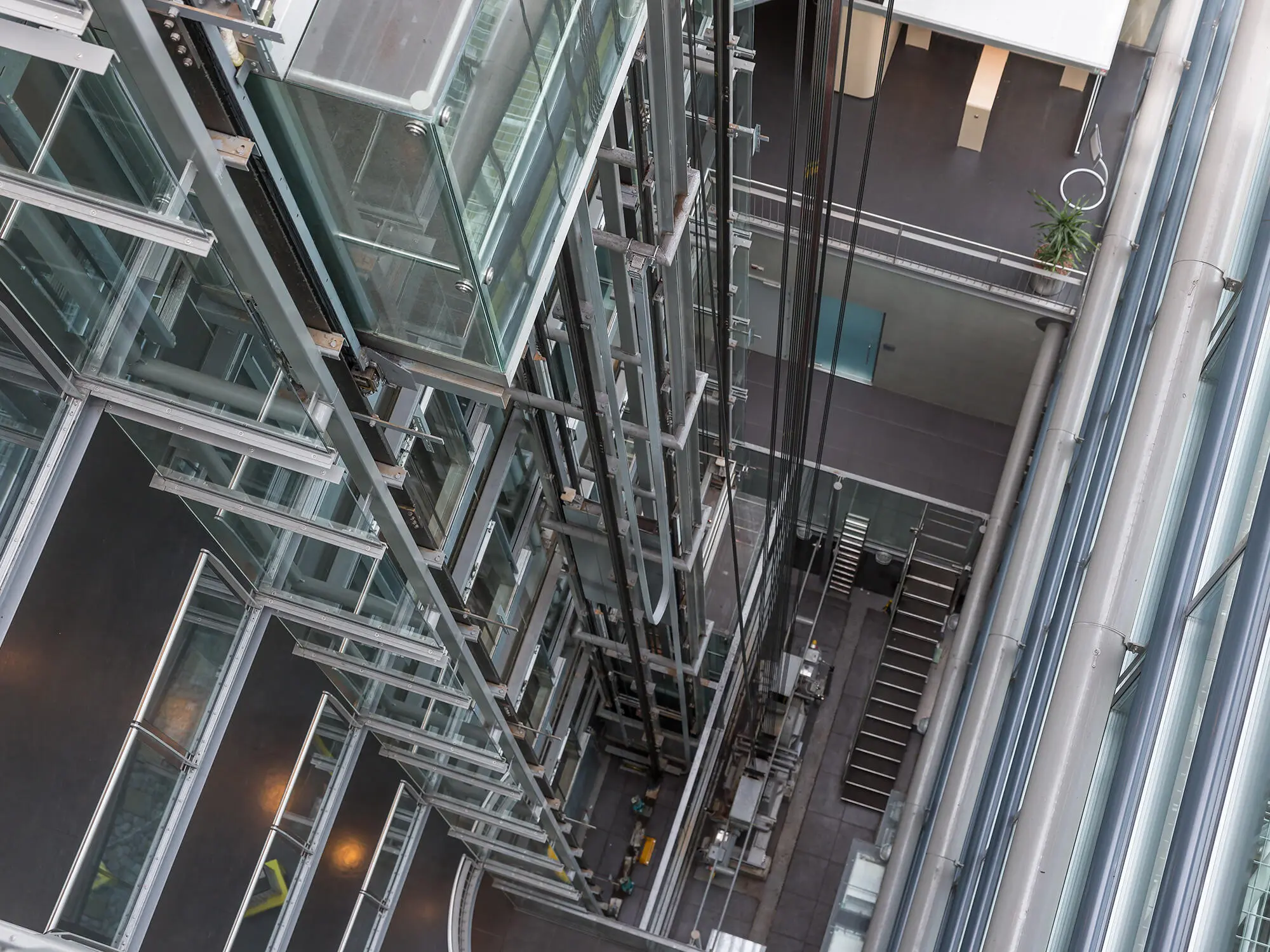
Integrating a high-end lift requires a deep understanding of structural flow. Designers start by identifying the main entry points of a facility. They map out the paths that people take during rush hours. Since vertical transit affects the entire logic of a floor plan, early planning saves time. High-speed traction elevators suit towers with more than twenty floors. These units use a system of pulleys and counterweights to move the car. Because the motor sits in a dedicated space or within the shaft, the footprint remains small. Developers prefer Machine Room Less (MRL) designs to save valuable square footage.
Smart software now handles the heavy lifting of traffic management. When a passenger enters the lobby, a sensor detects their presence. This data helps the system dispatch a car to the ground floor before the person even reaches the buttons. Digital screens inside the cabin display real-time news to keep passengers engaged. While the car moves, the control system monitors every vibration for safety. If the sensors detect a slight change in speed, they alert the maintenance crew immediately. This level of integration turns a simple machine into a vital part of the building’s nervous system.
The Core Components of High-Performance Elevator Systems
A reliable lift depends on a network of precision-engineered parts working in harmony. The traction machine acts as the heart of the operation. Modern gearless motors move the car with incredible precision. These units run quietly and require very little maintenance over their lifespan. Because they do not use large gears, they save a lot of space in the hoistway. Steel ropes or specialized belts connect the cabin to the counterweight. This balance reduces the amount of power the motor needs to lift the load.
Safety gears represent the most crucial part of the safety net. If the car moves too fast, the speed governor locks the cables. Mechanical clamps then grip the guide rails to stop the car instantly. This system works without electricity, so it stays active even during a total blackout. Automatic doors rely on high-frequency sensors to detect obstructions. When a person walks through the entrance, the doors pause their closing cycle. This prevents accidents and ensures a smooth boarding experience for everyone.
The control panel serves as the brain that directs every movement. It processes calls from every floor and decides which car should respond. High-quality elevator components withstand millions of cycles without failing. Since these parts face constant wear, manufacturers use hardened alloys to build them. Lubrication systems keep the moving parts slick to avoid noise. Guide rails must stay perfectly straight to prevent the cabin from shaking. Even a tiny misalignment can cause discomfort for the passengers. Regular inspections focus on these hardware pieces to guarantee long-term reliability.

Choosing the Right Elevator Systems for Commercial Real Estate
Commercial properties face much higher traffic than residential blocks. Malls and office towers need heavy-duty lifts that can run for eighteen hours a day. High-capacity freight elevators move furniture and supplies between levels. These units feature reinforced floors to handle the weight of heavy pallets. Because commercial tenants hate waiting, speed becomes a major selling point. A fast lift reduces the time employees spend traveling between meetings.
Developers often install destination control systems in busy skyscrapers. Instead of pressing a button inside the car, users select their floor at a kiosk in the lobby. The computer groups people going to the same floor into one car. This method slashes travel times by half during the morning rush. Since the cars make fewer stops, the motor experiences less wear. For shopping centers, panoramic elevators add visual appeal to the atrium. They allow shoppers to see the stores as they move, which helps with navigation.
Reliability keeps the tenants happy and the property value high. A broken lift in an office building leads to lost productivity and angry clients. Because of this, landlords choose manufacturers with strong local support teams. Fast access to spare parts keeps downtime to a minimum. Smart buildings now use remote monitoring to watch the status of every lift. If a door gets stuck, the system sends a notification to the technician’s phone. This proactive approach prevents small issues from turning into major repairs. Selecting a durable system pays off in lower service bills over the decades.
Future Trends İn Smart Elevator Systems For 2026
Connectivity defines the path forward for vertical transportation. Smart elevator systems now talk to the building’s central computer. They share data about energy usage and passenger habits. This information allows the building manager to optimize the power grid. AI algorithms predict which floors will be the busiest at certain times. The lift waits on the floor where it expects the next call. This reduces the wait time to nearly zero during predictable hours.
Touchless technology has become a standard requirement for new installations. Passengers use their smartphones to call the lift or select a floor. Voice commands also allow for hands-free operation in hospitals and labs. These features improve hygiene and make the building more accessible. Cloud-based diagnostics allow engineers to check the health of a lift from across the globe. They can update the software or change settings without visiting the site. While the hardware remains mechanical, the soul of the machine is now digital.
New materials are also changing how we build shafts. Carbon fiber cables weigh much less than steel ropes. This allows elevators to travel to the top of the tallest towers without needing a mid-way transfer. Magnetic levitation technology might even eliminate cables entirely in the future. These “multi” systems allow multiple cars to move in the same shaft. Since cars can move horizontally and vertically, building design will change forever. Urban planners look at these innovations to create more dense and walkable cities.
Sustainability and Energy Saving in Modern Elevator Systems
Eco-friendly solutions are no longer optional in high-end construction. Energy regeneration units turn the lift into a small power plant. When a heavy car goes down or a light car goes up, the motor generates electricity. The system feeds this power back into the building’s electrical network. Because of this, the overall utility bill drops significantly. Many projects now aim for LEED or BREEAM certificates to prove their green credentials.
Manufacturers use non-toxic materials to build the cabin interiors. Water-based coatings and recycled metals reduce the ecological impact of production. Standby modes turn off the cabin lights and the fan when no one is using the lift. While these savings seem small, they add up across a fleet of cars. High-performance drives start and stop with minimal power spikes. This protects the building’s electrical hardware and saves energy.
Professional Consultancy For Global Elevator Systems
Navigating the complex world of vertical transport requires a partner with deep roots. Global standards change frequently, and local codes can be strict. A consultant helps you find the right balance between cost and performance. They look at your building’s unique needs to suggest the best car size and speed. Working with a veteran manufacturer ensures that your project meets every safety requirement from day one.Guiding the elevator industry since 1977, Merih Asansör is one of Turkey’s leading manufacturers of automatic doors, cabins, and complete elevator systems, distinguished by over 40 years of profound experience, a robust R&D infrastructure, and a 100% domestic production approach. Operating within a 30,000-square-meter state-of-the-art facility with an annual production capacity of 100,000 doors and 5,000 cabins, the company exports its quality, reliability, and innovation-driven solutions to more than 65 countries, successfully representing Turkey’s engineering power in the global market.