

The Future of Green Buildings Energy-Efficient Electric Elevators
Energy-efficient electric elevators stand at the core of modern architectural design. Urban landscapes grow taller every year. Architects and engineers seek ways to lower the environmental impact of these massive structures. Vertical transportation accounts for a significant portion of a building’s total energy consumption. Modern electric elevator systems change this narrative through advanced engineering. High-performance motors and smart control systems reduce power waste. These innovations support global sustainability goals while cutting operational costs for building owners.
Urbanization demands smarter solutions for moving people. Traditional traction elevators often wasted energy through heat and friction. New technology focuses on recovery and precision. Manufacturers now prioritize Permanent Magnet (PM) motors and Variable Voltage Variable Frequency (VVVF) drives. These components ensure smooth acceleration and deceleration. They also minimize the electricity needed to start each trip. Efficiency in elevators directly correlates with the overall green building certification of a property. LEED and BREEAM standards reward projects that integrate low-carbon vertical transport solutions.
Comparing Traction and Gearless Electric Elevators for Performance
Selecting the right drive system determines the long-term success of a project. Traction elevators utilize ropes and counterweights to move the car. Older versions used geared motors. These systems require a gearbox to regulate speed and torque. Geared systems offer high lifting capacity but consume more energy. They also produce more noise and vibration. Gearless electric elevators represent a massive leap in performance. The motor connects directly to the drive sheave. This design removes the need for a gearbox entirely.
Gearless traction technology relies on powerful magnets. These motors operate at lower speeds with higher torque. This setup increases energy efficiency by up to 40 percent compared to geared models. Maintenance needs drop significantly because there are fewer moving parts. No oil leaks occur in the absence of a gearbox. This makes gearless elevators the preferred choice for high-end residential and commercial buildings. These units also save space. Machine Room-Less (MRL) configurations place the machinery inside the hoistway. This frees up the rooftop for amenities or solar panels.
Performance metrics include ride quality and leveling accuracy. Modern electric lift systems use sophisticated sensors to ensure the floor stays perfectly level with the hall. This prevents tripping hazards. High-resolution encoders track the position of the car in real-time. The control panel adjusts the motor output instantly. Passengers feel a seamless transition from standstill to full speed. This technical precision defines the modern user experience in luxury developments.
Guiding the elevator industry since 1977, Merih Asansör is one of Turkey’s leading manufacturers of automatic doors, cabins, and complete elevator systems, distinguished by over 40 years of profound experience, a robust R&D infrastructure, and a 100% domestic production approach. Operating within a 30,000-square-meter state-of-the-art facility with an annual production capacity of 100,000 doors and 5,000 cabins, the company exports its quality, reliability, and innovation-driven solutions to more than 65 countries, successfully representing Turkey’s engineering power in the global market.
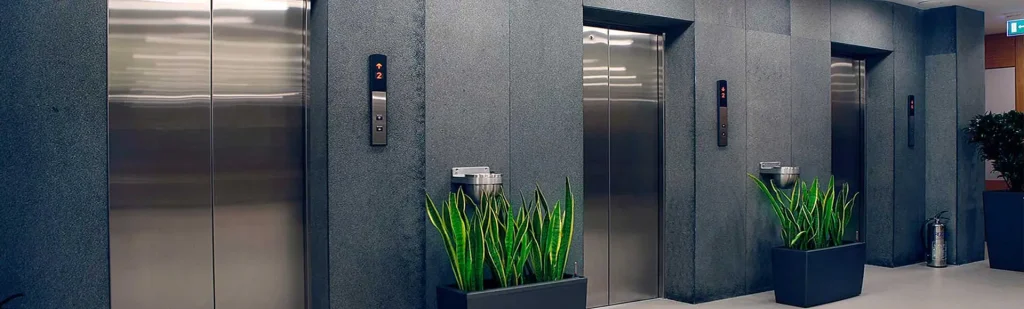
High-Speed Operations in Modern Electric Elevators for Skyscraper
Skyscrapers pose unique challenges for vertical mobility. Speed becomes a necessity rather than a luxury. High-speed electric elevators reach velocities of 10 meters per second or more. Engineering these systems requires extreme attention to aerodynamics and safety. Wind resistance inside the hoistway can cause noise and swaying. Engineers use streamlined car designs to cut through the air. Specialized roller guides dampen vibrations. This ensures passengers remain comfortable even at record-breaking speeds.
Safety systems must evolve alongside speed. Speed governors monitor the car constantly. If the elevator exceeds its limit, the governor triggers the safety gear. This mechanical system grips the guide rails to stop the car safely. Modern skyscrapers also utilize active vibration control. Small actuators counteract the movement of the building caused by wind. This technology keeps the ride stable. High-rise lift systems often use compensated ropes to balance the weight of the cables as the car moves. This reduces the strain on the motor and improves energy metrics.
Traffic management systems enhance the utility of high-speed units. Destination Dispatch technology groups passengers going to nearby floors. This reduces the number of stops and the total travel time. It also prevents overcrowding in the lobby. Smart algorithms analyze peak hours and position cars accordingly. This level of optimization shortens wait times. It also lowers the carbon footprint by preventing unnecessary trips. Data-driven mobility is the hallmark of a modern smart city infrastructure.
Maintenance Protocols for Longevity in Electric Elevators
Reliability depends on strict maintenance protocols. An elevator is a complex machine with thousands of components. Regular inspections prevent minor issues from becoming costly repairs. Technicians must check the suspension ropes for wear and tension. They also examine the brake systems to ensure immediate stopping power. EN 81-20 and EN 81-50 standards dictate the safety requirements for European markets. Following these global benchmarks guarantees the safety of every passenger. Compliance protects the building owner from liability.
Digital monitoring tools change how we handle service. Predictive maintenance uses IoT sensors to track motor temperature, vibration, and door cycles. The system alerts the service provider before a failure happens. This minimizes downtime. Door systems require special attention. Doors undergo the most mechanical stress during operation. Automatic elevator doors must open and close smoothly thousands of times a day. Lubrication and alignment checks extend the life of the hangers and rollers. Professional service teams prioritize original spare parts to maintain the integrity of the system.
Safety gear testing is a critical part of the annual schedule. Technicians simulate overspeed conditions to verify the mechanical response. They also check the emergency lighting and communication systems. If the power fails, the Automatic Rescue Device (ARD) brings the car to the nearest floor. This prevents passengers from getting trapped. Keeping a detailed logbook of all interventions helps in tracking the health of the equipment. A well-maintained electric elevator serves the building for decades without major overhauls.

Reducing the Carbon Footprint of Cities with Electric Elevators
Sustainability in the construction sector focuses on carbon reduction. Eco-friendly elevators play a vital role in this transition. The most effective way to save energy is regenerative braking. When a heavy car goes down or a light car goes up, the motor acts as a generator. Instead of wasting this energy as heat, the regenerative drive converts it back into electricity. The building then uses this power for lighting or HVAC systems. This can recover up to 30 percent of the energy consumed by the lift.
Material choice also affects the environmental impact. Manufacturers now use recyclable metals and low-VOC finishes for cabins. LED lighting inside the car remains off when no one is using the lift. High-efficiency fans reduce the load on the electrical system. These small changes add up over time. In a city with thousands of elevators, the cumulative savings are enormous. Green vertical transport contributes to the overall efficiency of the power grid. It reduces the peak demand during busy morning and evening hours.
Urban planners look at the lifecycle of products. Sustainable elevator manufacturing involves clean production methods. Reducing waste during the fabrication of elevator cabins and doors is a priority. Logistics also matter. Choosing a global elevator exporter with efficient shipping routes lowers the carbon cost of procurement. Turkish engineering combines high quality with strategic geographic advantages. This allows for faster delivery and lower transportation emissions to Europe, Asia, and Africa. Investing in energy-efficient electric elevators is a commitment to a cleaner future.
Technical Catalog For High-End Electric Elevators 2026
The 2026 technical outlook highlights several key trends. Carbon fiber cables replace steel ropes in ultra-high-rise projects. Carbon fiber is lighter and stronger, allowing for taller hoistways. Touchless interfaces and voice control become standard features in luxury cabins. These systems improve hygiene and accessibility. AI-integrated controllers learn the habits of building residents. They anticipate floor calls to reduce waiting to near zero.
Compliance with ISO 9001 and CE Certification remains the foundation of quality. International standards ensure that components from different manufacturers work together safely. The trend toward modular elevator components speeds up the installation process. Pre-wired systems and standardized bolt patterns reduce on-site labor. This lowers the cost of construction for developers. The focus remains on safety, efficiency, and comfort.
Modern electric elevators are more than just transport tools. They are data-generating assets. Integration with Building Management Systems (BMS) allows facility managers to optimize the entire structure. Real-time energy reports help in auditing the building’s performance. As we move toward 2026, the synergy between hardware and software will define the industry. The goal is simple: moving more people with less energy. Electric elevator technology continues to break boundaries in performance and sustainability.